
PNext

Home / SEO Services / SEO Migration Services

Protect Your SEO
Migrate without losing rankings

SEO Website Migration Consulting: Move Your Website Without Losing Rankings

A website migration can improve your brand, user experience, technology, and conversion rates. But without proper SEO planning, it can also cause rankings, traffic, indexed pages, and valuable backlinks to disappear.

At PNext, we create a structured migration roadmap covering URL changes, redirects, crawlability, indexing, internal links, canonical tags, XML sitemaps, structured data, and post-launch monitoring - whether you are redesigning, changing CMS platforms, moving domains, restructuring, or consolidating websites.

Lines of website code representing a structured SEO migration
Photo by Florian Olivo on Unsplash
Post-launch monitoring
Live

URL Map · Old → New
301
301
keep

500+
SEO Strategies Developed
35+
Industries Optimized
6
Migration Stages Covered
95%
Client Retention Rate

Pre-migration SEO audit✧URL mapping✧301 redirect strategy✧Pre-launch testing✧Content preservation✧Post-migration monitoring✧

Understanding SEO Migration

What Is SEO Migration and Why Does It Matter?

SEO migration is the process of planning and managing the SEO elements involved when a website undergoes a significant change - a domain move, a redesign, a CMS change, a URL restructure, an HTTPS migration, or a consolidation of multiple sites.

Every migration creates potential SEO risks. Incorrect redirects, missing pages, broken internal links, poor indexing signals, or changes to important content can all affect organic performance.

“A successful website migration is not just about launching the new website. It is about protecting the search visibility and authority you’ve already earned.”

A structured migration helps you
01Preserve existing rankings
02Protect organic traffic
03Retain backlink value
04Maintain URL equity
05Reduce crawl errors
06Prevent indexing problems
07Protect important landing pages
08Maintain search engine understanding

Don’t Wait Until Launch Day

Get your migration strategy reviewed before development or deployment begins.

Get My SEO Migration Consultation

Building Your Migration Roadmap

What Is Included in Our SEO Migration Process

We build a migration strategy around your existing website, planned changes, SEO equity, and business goals.

01
Pre-Migration SEO AuditEstablish the baseline
−

Before making changes, we establish a clear understanding of your current website.

Our audit can include
Organic traffic analysis
Ranking keyword analysis
Top landing pages
Indexed URLs
Existing redirects
Internal links
Backlinks
Canonical tags
XML Sitemap
Robots.txt
Structured data
Meta titles and descriptions
Content performance
Core Web Vitals

This creates a baseline that can be used to compare the website before and after migration.

02
URL Mapping and Redirect StrategyThe biggest risk
+

URL changes are one of the biggest risks during a website migration. We create a URL mapping framework before anything is deployed.

The framework identifies
Existing URLs
New URLs
Pages requiring redirects
Pages that should remain unchanged
Pages that should be consolidated
Pages that should be removed

Where appropriate, we recommend relevant 301 redirects from old URLs to their most suitable new destinations - preserving user journeys and as much existing search equity as possible.

03
Technical SEO Migration PlanningPreserve the signals
+

We review the technical elements that need to be preserved or updated during migration.

This may include
Canonical tags
Robots.txt
XML Sitemap
Meta robots
Hreflang
Structured data
Pagination
Internal linking
JavaScript rendering
HTTP status codes
Crawlability
Indexation

We also identify potential technical issues before the new website goes live.

04
Content Migration and SEO PreservationKeep what performs
+

A redesign or CMS migration can accidentally remove content that generates organic traffic. We identify important pages and content that should be preserved, improved, or strategically consolidated.

Our recommendations can cover
Page titles
Meta descriptions
Headings
Body content
Images and alt text
FAQs
Internal links
Structured content
High-performing landing pages

The objective is to make the new website better without unnecessarily removing SEO value from the existing one.

05
Pre-Launch SEO TestingTest before you launch
+

The migration should be tested before it goes live.

We check
Redirects
Indexation settings
Canonicals
Internal links
Sitemap
Robots.txt
Broken URLs
Page accessibility
Metadata
Structured data
Mobile usability

This gives your development and marketing teams an opportunity to resolve critical issues before launch.

06
Post-Migration MonitoringLaunch is not the end
+

SEO migration does not end when the new website launches. We monitor the website after migration for potential issues.

We track
Organic traffic
Keyword rankings
Indexed pages
Crawl errors
Redirects
Broken links
Search visibility
Landing page performance
Sitemap processing
Technical issues

This allows problems to be identified and addressed before they become larger performance issues.

Migration Types We Handle

SEO Migration for Different Website Changes

Every migration has different risks. Our strategy adapts to the type and complexity of your website change.

01

Website Redesign Migration

Protect rankings and SEO equity while updating your website’s design, navigation, content, and user experience.

Key risk · Template & content loss
02

CMS Migration

Moving between platforms can affect URLs, templates, metadata, internal links, and technical SEO. We identify the SEO elements that need to be preserved in transition.

Key risk · URL & metadata drift
03

Domain Migration

Changing your domain requires careful planning to maintain relationships between old and new URLs and reduce unnecessary organic visibility loss.

Key risk · Redirect chains
04

URL Structure Migration

Changing URL structures without appropriate redirects creates broken pages and lost search equity. We map old URLs to relevant new destinations and flag risks.

Key risk · Broken destinations
05

Website Consolidation

If multiple websites or domains are being combined, we identify the valuable pages, backlinks, content, and URLs that should be preserved.

Key risk · Lost backlink equity
06

HTTPS Migration

Moving from HTTP to HTTPS requires appropriate redirects, canonical updates, internal link checks, and technical validation.

Key risk · Mixed canonical signals

Delivering Migration Impact

Business Benefits of Professional SEO Migration

A carefully managed migration helps your business transition to its new website while protecting the organic visibility you have already built.

The goal is not simply to launch a new website. It is to launch a better website without unnecessarily sacrificing the SEO value of the old one.

Colorful sticky notes on a planning whiteboard

Photo by Patrick Perkins on Unsplash

01Protect Organic TrafficKeep the visitors your existing pages already earn through the transition to the new website.
02Preserve RankingsMaintain the positions your key landing pages hold rather than rebuilding them after launch.
03Retain Backlink EquityIdentify valuable URLs so the authority pointing at them is not lost to broken destinations.
04Reduce Indexing ProblemsCorrect canonicals, sitemaps, robots directives, and meta robots before they cause deindexing.
05Minimize Ranking VolatilityA tested migration reduces the swing between launch day and stability.
06Improve Technical SEOUse the migration as an opportunity to clean up crawlability, architecture, and performance.

Search After Migration

SEO Migration for AI Search & Generative Search

Website migrations can also affect how search engines and AI-powered systems understand your business. When important content, entities, internal links, structured data, or page relationships change, your website’s context can become less clear.

Maintaining these signals can help your website continue providing clear information to traditional search engines and emerging AI-powered search experiences.

Our migration strategy considers
Entity consistencyStructured informationBrand informationTopical authorityContent preservationInternal linkingSchema markupE-E-A-T signalsSearch intentAI-ready content

A new website should create new opportunities, not erase years of SEO work.

Let PNext review your migration plan and identify potential SEO risks before launch.

Protect My SEO During Migration

Why PNext Stands Out

PNext vs Other Digital Agencies

Migration is where SEO is most often treated as a checklist. We treat it as a strategy with measurable before-and-after evidence.

01Pre-Migration SEO Audit

✓

PNextComprehensive SEO baseline before migration
Other agenciesOften limited to basic checks

02URL Mapping

✓

PNextDetailed old-to-new URL mapping
Other agenciesMay rely on automated redirects

03301 Redirect Strategy

✓

PNextRelevant redirects designed to preserve SEO equity
Other agenciesFrequently handled as a basic technical task

04Technical SEO

✓

PNextCrawling, indexing, canonicals, sitemap, robots, and structured data
Other agenciesOften limited technical coverage

05Content Preservation

✓

PNextIdentifies high-value content and landing pages
Other agenciesContent may be migrated without SEO analysis

06Backlink Protection

✓

PNextIdentifies valuable URLs and backlink equity
Other agenciesOften overlooked during migration

07Pre-Launch Testing

✓

PNextSEO validation before the website goes live
Other agenciesMay only test after launch

08Post-Migration Monitoring

✓

PNextTracks traffic, rankings, indexing, redirects, and errors
Other agenciesLimited post-launch monitoring

09International SEO

✓

PNextConsiders hreflang and regional website structures
Other agenciesMay not cover international SEO

10AI Search Readiness

✓

PNextProtects entity, content, topical authority, and E-E-A-T signals
Other agenciesRarely considered during migration

11Migration Strategy

✓

PNextCustomized around website size, platform, and business goals
Other agenciesOften uses standard migration checklists

12Long-Term SEO

✓

PNextMigration becomes a foundation for future organic growth
Other agenciesFocus is mainly on completing the migration

Your new website should be an upgrade in every direction, including search visibility - not a reset of the SEO progress you have already made.

Proven Migration Approach

Client Case Studies

Case Study 1

Website Redesign

Challenge

A business was redesigning its website and planned to change its navigation, URL structure, and page templates.

Strategy

Pre-migration SEO auditTop landing page analysisURL mappingRedirect planningInternal link reviewMetadata preservationPre-launch technical checksPost-launch monitoring
Outcome

The business launched the redesigned website with a structured SEO migration framework designed to minimize disruption to organic visibility.

Case Study 2

CMS Migration

Challenge

A growing company was moving its website to a new CMS and needed to protect existing organic visibility.

Strategy

Existing URL inventoryKeyword and traffic analysisRedirect mappingCanonical reviewXML Sitemap validationContent preservationTechnical SEO testingPost-migration monitoring
Outcome

The migration provided the development team with a clear SEO implementation roadmap while maintaining focus on protecting valuable organic assets.

Migration Expertise

Why Businesses Trust PNext

Migrations touch development, content, design, and marketing at the same time. Our role is to make sure SEO is represented at every one of those tables - before the build, not after the launch.

Two team members working on code at monitors in a bright office

Photo by Compagnons on Unsplash

01SEO Migration ExperienceStructured migration planning designed around website redesigns, CMS changes, domain migrations, URL changes, and website consolidation.
02Technical SEO ExpertiseDetailed knowledge of crawling, indexation, redirects, canonicals, sitemaps, structured data, and website architecture.
03Search Visibility ProtectionA data-led process focused on identifying valuable pages, keywords, traffic sources, and backlink equity before migration.
04Transparent MonitoringClear pre- and post-migration checks help identify potential SEO issues and provide actionable recommendations.

What Clients Say

Client Reviews

★★★★★

“PNext gave our team a clear migration roadmap before we launched the new website. The biggest value was knowing which SEO elements we couldn’t afford to overlook.”

Marketing Manager, B2B Company

★★★★★

“The migration process was much more organized because SEO was considered from the beginning. The URL mapping and technical checks were especially helpful.”

Digital Marketing Lead, Growing Business

SEO Website Migration Checklist

Website Migration SEO Checklist

Use this checklist to protect rankings during a redesign, CMS change, domain move or URL restructure. A small site can follow it in a few weeks; large or multi-language sites usually need two to three months of planning and testing.

  1. BeforeCrawl the current site, export every URL with traffic, rankings and backlinks, and benchmark Search Console and GA4.
  2. BeforeMap every old URL to its closest new URL and plan one-step 301 redirects (no chains, no blanket redirects to the homepage).
  3. BeforeCarry over titles, meta descriptions, headings, internal links, canonicals, hreflang and structured data.
  4. BeforeTest the staging site: redirects, robots.txt, noindex tags, XML sitemap, page speed and mobile layout.
  5. Launch daySwitch redirects on, remove staging blocks, submit the new sitemap in Google Search Console and Bing Webmaster Tools.
  6. AfterMonitor 404s, crawl errors, indexing, rankings and traffic daily for two weeks, then weekly for three months.
  7. AfterKeep redirects in place for at least a year and update important backlinks to point at the new URLs.

Further reading from our team: SEO migration checklist before you move or redesign a site.

Common Migration Questions

Frequently Asked Questions

Ask us directly →

What is an SEO migration?−
SEO migration is the process of planning and managing SEO changes when a website undergoes a major change, such as a redesign, domain change, CMS migration, URL restructuring, or website consolidation.
Can a website migration cause rankings to drop?+
Yes. Rankings can be affected if important URLs, content, redirects, internal links, canonicals, or indexing signals are changed incorrectly. Proper SEO planning can reduce the risk of unnecessary visibility loss.
Should SEO migration happen before or after website development?+
SEO planning should begin before the website launches. Ideally, SEO specialists should be involved during the planning and development stages so potential issues can be identified before deployment.
Do I need 301 redirects during a website migration?+
If URLs are changing, relevant 301 redirects are generally important for directing users and search engines from old URLs to their appropriate new destinations.
How long should I keep old URLs after migration?+
Old URLs that have been redirected should generally remain accessible through their redirects rather than being immediately removed. The appropriate duration depends on the migration and the URLs involved.
How can I prevent traffic loss during a website migration?+
Start with a complete SEO baseline, identify valuable pages and URLs, create accurate redirects, preserve important content, test the new website before launch, and monitor rankings, traffic, indexing, and technical errors after launch.
What should I check immediately after an SEO migration?+
Check redirects, indexability, canonical tags, XML Sitemap, Robots.txt, internal links, broken URLs, metadata, structured data, organic traffic, rankings, and Search Console crawl or indexing issues.
Can SEO migration affect Google AI Overviews?+
Yes. Significant changes to website content, structure, entities, internal linking, and structured information can affect how search engines understand your website. Preserving important content and contextual signals can help maintain search visibility during the transition.
Do you offer SEO website migration consulting?+
Yes. We can run the whole migration with your developers or act as consultants: we audit the current site, build the URL map and redirect plan, review staging before launch and monitor rankings and traffic afterwards.
How long does an SEO website migration take?+
It depends on the size of the site. A small business site can be planned, tested and launched in a few weeks. Large ecommerce, multi-domain or multi-language sites usually need two to three months, plus at least three months of monitoring after launch.

Expand Your SEO Strategy

More SEO Services

Migration works best alongside the rest of your search programme - audit, strategy, technical, and off-page.

SEO Website Audit

→

Find technical issues and ranking opportunities with a complete SEO audit.

View Service

SEO Competitor Analysis

→

Reveal competitor strengths, keyword gaps, and opportunities to improve your SEO strategy.

View Service

Enterprise SEO Services

→

Scale organic visibility with SEO strategies built for complex enterprise websites.

View Service

Local SEO Services

→

Improve local visibility and attract customers searching for your business.

View Service

Technical SEO Services

→

Improve crawling, indexing, website performance, and technical search visibility.

View Service

SEO Off-Page, Backlinking

→

Build website authority through strategic off-page SEO and backlink campaigns.

View Service

SEO Website Design Consulting

→

Create SEO-friendly website structures designed for users and search engines.

View Service

SEO Strategy Services

→

Build a data-driven SEO roadmap aligned with your business growth goals.

View Service

Protect Your SEO Investment

Migrate Your Website Without Losing SEO Value

A website migration should be an opportunity to improve your digital presence, not risk the search visibility you have worked hard to build.

From URL mapping and redirects to technical validation and post-launch monitoring, PNext helps you plan, test, execute, and monitor your migration with SEO at every stage.
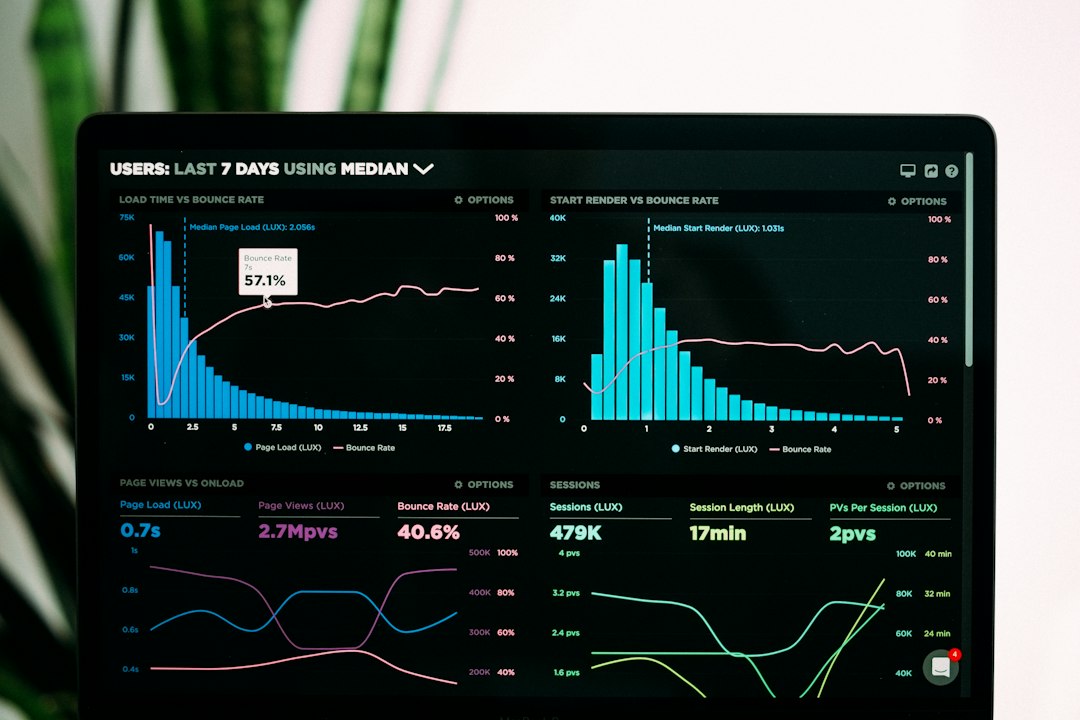
Graphs of performance analytics on a laptop screen

Photo by Luke Chesser on Unsplash

Get Your Free Migration Review


No commitment. No spam. Response within 24 hours.

Scroll to Top
Chat with us on WhatsApp
Get a free audit